In a city where every square foot works hard, your sofa works the hardest. From coffee-fueled mornings to pet cuddles and weekend movie nights, upholstery in Manhattan homes absorbs traffic grime, cooking residues, and daily wear at a pace few other places can match. That’s why professional, sofa cleaning designed for the realities of Manhattan living isn’t a luxury—it’s smart home care that protects your investment, improves indoor air quality, and keeps your space guest-ready year-round.
Why Professional Sofa Cleaning Matters in Manhattan (and What Makes City Sofas So Dirty)
Manhattan homes contend with a cocktail of contaminants. Fine soot from street traffic, construction dust, and seasonal allergens drift in through windows and HVAC systems. Combine that with cooking oils from compact kitchens, radiator dust in prewar buildings, and the hustle of entertaining, and your sofa becomes a magnet for particles and odors. Over time, these pollutants penetrate fibers, leaving upholstery looking dull and feeling sticky—even if you vacuum regularly.
Professional sofa cleaning in Manhattan addresses what DIY can’t. A trained technician performs fiber identification and colorfast testing before applying targeted treatments that lift soils without overwetting delicate fabrics. For synthetics like polyester or microfiber, hot water extraction (often called “steam cleaning”) can rinse away embedded grime. For natural fibers such as linen, rayon, viscose, or cotton blends, low-moisture or dry-solvent methods prevent puckering, browning, and dye migration. This careful approach is crucial in a city where designer fabrics, vintage finds, and modern sectionals all share the same living room.
Health is a key driver, too. Upholstery can harbor dust mites, pet dander, and bacteria that compromise indoor air quality—especially in compact apartments with limited ventilation. Regular, eco-friendly upholstery cleaning reduces allergens, neutralizes odors, and leaves fabrics fresher for longer. Families with kids and pets benefit from non-toxic, biodegradable solutions that break down soils without leaving harsh residues. And because Manhattan life moves fast, professional equipment accelerates drying, helping most sofas return to service within hours, not days.
There’s also the matter of value. Quality sofas are a significant investment; proper maintenance extends lifespan, preserves texture and color, and keeps cushions springy. In spaces where the sofa doubles as a guest bed or office seating, preventive care matters. Protectants applied after cleaning can help repel future spills, making routine upkeep easier and reducing the risk of permanent staining. In short, professional sofa cleaning is the most efficient way to keep a high-use piece beautiful in Manhattan’s demanding environment.
Proven Methods: From Steam Cleaning to Delicate Fabrics, Tailored for Your Upholstery
Great results begin with a methodical process. A seasoned Manhattan upholstery pro starts with a pre-inspection, identifying fiber type (synthetic vs. natural), weave, and manufacturer care codes. A colorfast test follows to ensure dyes remain stable. This sets the stage for a tailored treatment plan that balances effective soil removal with fabric safety and rapid dry times—a must when space is limited and sofas are daily essentials.
For durable synthetics and many performance fabrics, hot water extraction with a controlled “steam” rinse can be ideal. The process includes HEPA pre-vacuuming to remove dry soils, a targeted pre-spray to loosen oils and particulates, gentle agitation, then a pH-balanced rinse and powerful extraction. This approach flushes out deep grime, deodorizes fibers, and revitalizes texture. Technicians often groom the nap and deploy air movers to speed drying, keeping moisture levels in check for Manhattan’s older buildings and wood floors.
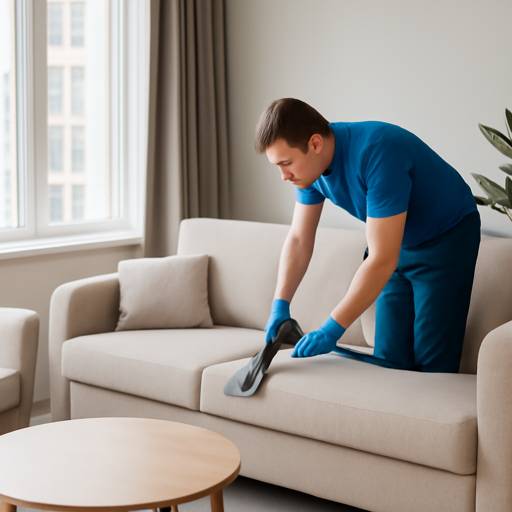
Delicate textiles—think linen, velvet, wool blends, and rayon/viscose—benefit from low-moisture or dry-solvent cleaning. Encapsulation chemistry can crystallize soils for safe removal without saturating cushions. For velvets and chenilles, careful pile-setting preserves that signature hand and sheen. Leather upholstery calls for a different regimen: thorough vacuuming, pH-appropriate cleaners, and conditioners that restore suppleness without leaving a greasy feel. The goal in every case is to deliver a deep clean while maintaining the sofa’s structural integrity and aesthetic.
Spot treatment expertise sets pros apart. Tannin stains (wine, tea), protein spots (milk, sweat), oils (makeup, body lotions), and inks each require specific chemistry and dwell times. Pet accidents demand enzyme or oxidizing treatments and, when needed, subsurface extraction to address contamination that has penetrated into foam. Odors—common in smaller Manhattan apartments—are neutralized at the source rather than masked. Finishing options like fabric protector add a durable shield that helps resist future staining, a practical upgrade when your sofa anchors a high-traffic space.
Local experience matters. Manhattan technicians navigate walk-ups, tight hallways, and doorman schedules with portable, quiet equipment and floor protection. Coordinating access, securing building certificates of insurance, and respecting elevator time windows are part of the service. For a trusted local option, consider sofa cleaning Manhattan to align expert methods with eco-conscious solutions and the realities of city living.
What to Expect: Scheduling, On-Site Process, Dry Times, and Real Manhattan Case Studies
Booking is straightforward, but a few Manhattan-specific details make for a seamless appointment. When scheduling, note your building’s requirements: elevator reservations, service hours, and whether a certificate of insurance (COI) is needed. Share fabric details, visible stains, and any pet odor concerns so the technician arrives prepared. On the day of service, clear small items from the sofa and surrounding surfaces; professionals handle moving light furniture and protect floors and corners during setup.
The visit typically begins with documentation and photos, followed by fiber ID and colorfast testing. A thorough HEPA pre-vacuum removes dry soils (crucial in dusty, high-rise environments). Next comes a targeted pre-spray and gentle agitation to loosen embedded grime. The chosen cleaning method—hot water extraction, low-moisture, or dry-solvent—is applied precisely, with dwell times calibrated for your fabric and stains. A pH-balanced rinse and focused extraction help ensure no residue is left behind. The technician then grooms fabric, sets nap on velvets, and positions air movers to accelerate evaporation.
Dry times vary by method and humidity. Many synthetics are dry to the touch within 2–4 hours; delicate fabrics cleaned with low-moisture techniques may be ready even faster. Natural fibers or deep-cushion sectionals can require up to 6–8 hours. Ventilation helps, as does climate control—set the thermostat to a comfortable level and crack a window if weather allows. Aftercare is simple: avoid sitting until fully dry, rotate and flip cushions regularly, and vacuum weekly to slow re-soiling. For prevention, consider applying a protector and keep a clean, white microfiber cloth handy for immediate blotting of spills. Most Manhattan homes benefit from professional upholstery cleaning every 6–12 months, more often with pets or heavy use.
Real-world examples illustrate what’s possible. An Upper West Side tufted linen sofa with a month-old red wine spill responded to careful tannin treatment, low-moisture cleaning, and a controlled dry—no dye migration, tufting preserved, and the fabric’s crisp hand restored. In SoHo, a microfiber sectional with lingering dog odor improved dramatically after enzyme treatments and subsurface extraction addressed odor trapped in cushion foam; a post-clean protector helped the family keep up with new puppy training. A Financial District lounge area with daily foot traffic and coffee drips benefited from scheduled quarterly maintenance using hot water extraction and encapsulation for quick turnarounds—keeping the common space fresh without disrupting workday rhythms.
Across these scenarios, the common thread is methodical care tailored to the fabric, stain type, and constraints of city life. When a service provider combines building-savvy logistics with eco-friendly chemistry, advanced tools, and respectful customer service, your sofa doesn’t just look cleaner—it feels healthier, smells fresher, and lasts longer. And in Manhattan, where living rooms often double as home offices and guest suites, that level of clean pays dividends every single day.

Kuala Lumpur civil engineer residing in Reykjavik for geothermal start-ups. Noor explains glacier tunneling, Malaysian batik economics, and habit-stacking tactics. She designs snow-resistant hijab clips and ice-skates during brainstorming breaks.
Leave a Reply