Why Professional Upholstery Cleaning Matters in New York City Homes
Life in New York City is vibrant—and so is the grime that comes with it. From subway dust and street soot to indoor allergens and pet dander, fabric furniture absorbs a surprising amount of debris. Routine vacuuming helps, but only professional upholstery cleaning can extract embedded soils, neutralize odors, and restore the rich color and feel of your favorite pieces. In compact apartments and prewar co-ops alike, clean upholstery isn’t just about looks; it’s about a healthier home, better indoor air quality, and protecting your investment in a city where every square foot counts.
New Yorkers love texture: sleek microfiber sectionals, nubby linen chairs, velvet loveseats from a Chelsea boutique, or heirloom wool-and-cotton blends in a Brooklyn brownstone parlor. Each fabric demands a precise approach. A safe, effective clean starts with fiber identification and dye-stability testing to avoid color bleeding, browning, or shrinkage. A skilled technician will choose the correct method—low-moisture, hot water extraction, or dry-solvent treatments—based on the fabric type and condition. The result is a deep clean that’s gentle on delicate textiles yet tough on city grime, executed with eco-friendly solutions that won’t leave sticky residues or harsh chemical smells.
Odor control is a must in dense urban settings. Cooking aromas, pet accidents, and humid summers can leave couches smelling tired. Professional deodorization targets the source with enzyme and oxidizing treatments that break down odor-causing bacteria rather than masking them. Add in speed-drying techniques tailored to smaller NYC rooms—where ventilation and space are limited—and you get a service designed for the realities of apartment living: fast, safe, and remarkably effective. A well-maintained sofa can easily outlast upholstery’s typical lifespan, saving replacement costs and preserving comfort.
Consider a few real-world examples. An Astoria household with two cats and a beloved cream sectional faced hair, oil transfer, and a lingering litter-box odor; after a fiber-safe pre-treatment and controlled extraction, the fabric brightened and the room smelled fresh. A Midtown high-rise near a busy avenue saw soot buildup along the armrests and window-side cushions; targeted pre-spotting and rinsing restored the original tone without over-wetting. For trusted results that fit the city’s pace, explore upholstery cleaning NYC with professionals who know how to make furniture shine in an urban environment.
Our Proven NYC-Smart Process for Deep, Safe Fabric Care
Effective upholstery cleaning in NYC begins with a meticulous assessment. Technicians inspect seams, piping, and cushion cores, identify fibers (cotton, linen, wool blends, rayon, viscose, microfiber, or velvet), and test for dye stability. This step guides everything that follows—solution selection, water temperature, agitation method, and drying strategy—so the process is tailored to the piece. Whether the task is revitalizing a plush sectional in a Long Island City loft or refreshing tufted dining chairs in a Park Slope brownstone, the aim is the same: a deep, fabric-safe clean that preserves color, hand, and structure.
Dry soil removal comes next. A thorough HEPA vacuum lifts fine particulates that can abrade fibers and cloud colors. Pre-treatment targets oils and city-specific soils like soot, skincare residues, and food spills. On durable fabrics, gentle agitation lifts grime without roughing the weave; on delicate materials, soft-bristle tools and minimal moisture keep textures intact. Depending on the fiber, the service may use controlled hot water extraction, which flushes contaminants and rinses cleaning agents, or a low-moisture encapsulation that traps soil in crystal polymers for easy removal—ideal for sensitive textiles or quick turnaround needs.
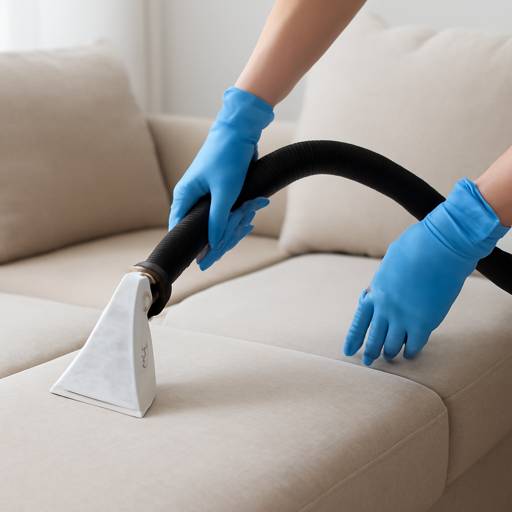
Pet and odor issues require a more specialized approach. Enzyme-based treatments break down organic stains from accidents, while oxidizing agents target persistent odors embedded in the cushion foam. These steps address the source rather than masking it. For allergy-prone households, an anti-allergen rinse can neutralize dust mite residues and pet dander clinging to armrests and headrests. A balanced pH rinse ensures no sticky residue remains, reducing rapid re-soiling and leaving upholstery feeling soft, not crunchy.
Drying is where an NYC-smart process shines. Air movers and targeted airflow accelerate evaporation in rooms with limited cross-breeze, reducing the time furniture remains out of service. Corners, legs, and flooring are protected throughout to respect tight living spaces. Once dry, a fabric protector can be applied to resist future spills—a smart safeguard in small apartments where couches double as dining spots and home offices. Equally important, a quality-driven team won’t rush the job; careful dwell times and detail work deliver the kind of even, long-lasting results that make a favorite sofa look and feel like itself again.
NYC-Specific Scenarios, Pricing Clarity, and How to Prepare Your Space
In a city that never sleeps, furniture works overtime. Families gather on sectionals, pets claim window-facing chairs, and friends crowd around ottomans on game night. Regular upholstery cleaning—every 12 to 18 months, or more frequently for homes with kids and pets—keeps fabrics fresh and resilient. The need extends to commercial spaces, too: lobbies, co-working lounges, hotel seating, restaurants, and private clubs benefit from scheduled maintenance that aligns with brand standards and health expectations. Clean upholstered surfaces reflect professionalism, reduce allergens, and extend replacement cycles, keeping costs—and disruptions—down over time.
Logistics matter in NYC. Many buildings require a Certificate of Insurance before service; professionals accustomed to city work can provide it promptly to satisfy management. Tight hallways, walk-ups, or small elevators? A skilled crew brings compact, apartment-friendly equipment and floor protection to avoid scuffs on parquet and prewar moldings. Curbside parking is often limited, so efficient load-in/out is part of the plan. For scheduling, weekday daytime appointments may minimize elevator wait times, while early-evening slots accommodate work schedules. Clear communication with doormen and supers helps ensure smooth arrival and setup.
Transparent pricing typically follows a per-piece structure—sofas, loveseats, sectionals by linear seat, dining chairs, headboards, benches, and ottomans—with add-ons for protector application, heavy odor neutralization, or specialty fabrics like linen-rayon blends and velvet. Final costs reflect fabric type, size, soil level, and stain complexity. While DIY spot cleaning seems tempting, it often risks water rings, dye migration, texture distortion, or browning on cellulose-based fibers. A professional uses precise moisture control, the right pH, and color-safe oxidizers to lift stains without collateral damage. In the long run, proper care preserves value and prevents premature wear, pilling, and color loss.
A little preventive care goes a long way between cleanings. Blot—not scrub—spills immediately with a white, absorbent cloth; work from the outside inward to prevent rings. Vacuum weekly with an upholstery tool, focusing on crevices and high-contact zones like armrests. Rotate cushions regularly to even out wear and compression. Shield fabrics from direct sun to reduce fading, and maintain healthy indoor humidity to deter mildew odors. For busy households, consider applying a protector after cleaning to repel liquids and delay staining. With these habits and periodic professional service, NYC upholstery stays vibrant, comfortable, and guest-ready year-round.

Kuala Lumpur civil engineer residing in Reykjavik for geothermal start-ups. Noor explains glacier tunneling, Malaysian batik economics, and habit-stacking tactics. She designs snow-resistant hijab clips and ice-skates during brainstorming breaks.
Leave a Reply