Searches for “the Hat Man” linked to Benadryl often lead to chilling stories of a shadowy figure in a brimmed hat appearing during high-dose diphenhydramine use. While memes and viral posts can make the phenomenon feel like a curiosity, the reality is more serious: the “Hat Man” is shorthand for anticholinergic delirium, a dangerous state that can emerge when people misuse over-the-counter sleep aids or allergy medications. Behind the folklore are neurochemical changes, real medical risks, and, for some, a pattern of compulsive use that benefits from compassionate, evidence-based care in settings designed to foster calm and recovery—such as serene, ocean-adjacent programs in Orange County.
What People Mean by “the Hat Man” on Benadryl: How Deliriant Hallucinations Happen
Diphenhydramine (the active ingredient in Benadryl) is an antihistamine with strong anticholinergic effects. At recommended doses, it can reduce allergy symptoms or promote short-term sleep. At high doses, it blocks acetylcholine in the brain, disrupting attention, memory, and sensory processing. The result is a state of anticholinergic delirium characterized by confusion, disorientation, dry mouth, dilated pupils, urinary retention, rapid heart rate, and—in many accounts—fully formed visual and auditory hallucinations that feel indistinguishable from reality.
Enter the “Hat Man.” Across countless user reports, people describe interacting with lifelike figures, shadowy visitors, and sometimes a specific archetype: a tall silhouette in a coat and brimmed hat. Why this recurring image? Scientists point to a blend of pareidolia (seeing meaningful images in ambiguous shadows), stress priming from internet lore, and the way cholinergic deficits scramble visual processing and threat detection. Sleep deprivation and anxiety—common in people self-medicating with Benadryl for insomnia—can further intensify these perceptions and make them feel personal and menacing.
Dosage and context matter. Typical over-the-counter doses are 25–50 mg. Reports of vivid “Hat Man” encounters usually involve amounts several times higher, sometimes 300–700 mg or more—levels associated with toxicity. Polydrug use (for example, mixing diphenhydramine with alcohol, opioids, or stimulants) compounds risk. People chasing novelty or numbing distress may not appreciate how quickly hallucinations can escalate into unsafe behavior, accidental injuries, or medical emergencies when cognition and coordination are profoundly impaired.
For those curious about the folklore’s roots and clinical frame, resources discussing the hatman benadryl phenomenon can help distinguish internet myth from the neurobiology of delirium. Unpacking the “why” can be a first step toward safer choices, honest conversations, and, when needed, professional support that treats the person—not the meme.
Health Risks, Polysubstance Dangers, and When to Seek Medical Help
The same properties that make diphenhydramine sedating can spiral into a medical crisis when misused. High doses precipitate the classic anticholinergic toxidrome: confusion, agitation, overheating, blurred vision, flushed skin, tachycardia, hypertension, and severe urinary retention. In extreme cases, seizures, dangerous arrhythmias, hyperthermia, rhabdomyolysis, and cardiac arrest can occur. Because hallucinations feel real, people may wander, drive, or handle hazardous objects while profoundly impaired, raising the risk of injury or legal consequences.
Polysubstance use increases danger. Alcohol and benzodiazepines deepen sedation and disinhibition, raising the odds of respiratory depression and blackouts. Tricyclic antidepressants and other anticholinergics stack the delirium. Stimulants mask sedation but don’t remove cardiac strain, creating a tug-of-war on the nervous system that can end in collapse. Hidden combinations are a special concern: “PM” pain relievers may also contain acetaminophen, and repeated high-dose use can stealthily damage the liver while delirium obscures early warning signs.
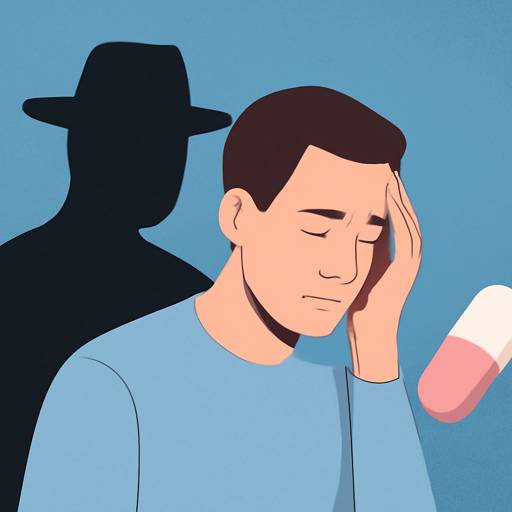
Know the red flags that warrant urgent evaluation: persistent confusion, chest pain, extreme agitation, high body temperature, seizures, fainting, inability to urinate for many hours, or hallucinations that make it unsafe to remain alone. In the United States, calling emergency services or Poison Control (1-800-222-1222) can be lifesaving. Loved ones should avoid confrontation and focus on a calm environment, hydration if safe, and timely medical assessment.
Beyond acute crises, repeated high-dose use can entrench patterns of dependence. While diphenhydramine is not “addictive” in the classic opioid sense, compulsion develops when the drug becomes a go-to escape from insomnia, trauma-related hyperarousal, anxiety, or depression. Over time, tolerance builds, baseline mood and sleep worsen, and the nervous system becomes more brittle—setting the stage for more intense delirium, more “Hat Man” episodes, and escalating isolation.
Breaking this cycle typically requires a two-pronged approach: stabilizing the body and addressing the roots of distress. Medical oversight can manage withdrawal-like rebound insomnia and anxiety, review medications for anticholinergic burden, and correct sleep-disrupting habits. Concurrently, therapy targets the reasons a person reached for high-dose Benadryl in the first place—whether that’s untreated insomnia, grief, trauma, or social stressors.
From Internet Meme to Recovery Journey: Treating Diphenhydramine Misuse and Co‑Occurring Disorders in Orange County
Consider a composite scenario drawn from real-world patterns. After weeks of sleeplessness and rising workplace stress, “Alex” tries 50 mg of diphenhydramine. It helps for a night or two, then stops working. A late-night search suggests higher amounts. At 400 mg, Alex experiences whispering voices and glimpses of a dark silhouette. The next night brings a full encounter: a figure in a hat stands by the doorway. Panic surges; heart rate spikes. By morning, Alex feels shame, exhaustion, and dread of another night alone with racing thoughts—and reaches again for the bottle. Within days, relationships strain, concentration plummets, and safety becomes a concern.
What turns this around is a shift from self-blame to structured care. In a calm, discreet environment—such as a luxury rehab in Orange County near the ocean—admissions begin with a comprehensive assessment: sleep patterns, medical history, current prescriptions, mental health screening, and substance use. If detox is indicated, clinicians monitor vitals, manage agitation, and shield sleep with non-addictive strategies. A physician may review medications and reduce overall anticholinergic load while ordering labs and EKGs if needed.
Therapy addresses the drivers behind misuse. Cognitive behavioral therapy targets catastrophic sleep thoughts and anxiety spirals; trauma-informed approaches process memories that make nights feel unsafe. Mindfulness, breathwork, and gentle movement build a calmer nervous system. Sleep hygiene is rebuilt from the ground up—light exposure, consistent routines, and behavioral techniques that retrain the brain to sleep without pharmacological shortcuts. When co-occurring depression or PTSD is present, psychiatrists collaborate to choose treatments that minimize anticholinergic side effects.
The setting itself matters. A serene, beach-adjacent campus can help downshift a hypervigilant system. Healthy meals, restorative activities, and privacy support dignity during a vulnerable transition. Family sessions rebuild trust and clarify boundaries about medication use. Case managers coordinate aftercare: outpatient therapy in communities like Newport Beach, Laguna Beach, Irvine, or Costa Mesa; sleep medicine follow-up; and peer support. Relapse prevention planning anticipates triggers—late-night loneliness, deadline stress, social isolation—and pairs each with a concrete tool, from relaxation skills to phone-based coaching.
Crucially, recovery reframes the “Hat Man” from a frightening mystery into a neurobiological signpost: the brain signaling it needs a different kind of help. With the right blend of medical oversight, compassionate therapy, and an environment that feels safe, people move from chaotic nights to restorative sleep, from compulsive dosing to confident self-regulation. The transformation is not about white-knuckling through cravings; it’s about healing the conditions that made high-dose diphenhydramine feel like the only option—and discovering steadier ground along the Pacific, where calm and clarity can take root.

Kuala Lumpur civil engineer residing in Reykjavik for geothermal start-ups. Noor explains glacier tunneling, Malaysian batik economics, and habit-stacking tactics. She designs snow-resistant hijab clips and ice-skates during brainstorming breaks.
Leave a Reply