The demand for compassionate, dependable caregivers is rising fast as more families seek support for aging parents, recovery after surgery, or help for loved ones with disabilities. For many professionals, caregiver jobs offer a rare blend of purpose, schedule flexibility, and stable income. Whether starting a first role or advancing from entry-level to specialized care, this field rewards empathy, consistency, and problem-solving. From assisting with daily routines to providing emotional companionship, caregivers become trusted partners who help people live safely and with dignity at home and in community settings. With the right preparation and a thoughtful search strategy, candidates can find opportunities that fit skills, values, and lifestyle.
What Caregiver Jobs Involve: Roles, Settings, and Daily Duties
Caregiving spans a variety of roles and care settings, giving candidates room to match strengths with the right environment. In private homes, caregivers often help with activities of daily living (ADLs) such as bathing, dressing, grooming, toileting, and safe mobility. They may also handle instrumental activities of daily living (IADLs) like meal preparation, light housekeeping, laundry, medication reminders, and transportation to appointments. In assisted living or memory care communities, responsibilities can include structured care routines, monitoring residents, documenting observations, and working alongside nurses or supervisors. Some caregivers focus on companion care, providing conversation, social engagement, and support that reduces isolation. Others take on more advanced tasks, such as dementia care strategies, safe transfers with gait belts or lift equipment, and end-of-life support in coordination with hospice teams.
Schedules vary widely, which makes caregiving particularly attractive to students, parents, or professionals seeking supplemental income. Options can include short daytime shifts, overnights, weekend blocks, or full-time, live-in arrangements. A live-in caregiver might provide daytime support with dedicated rest breaks and off-duty hours, while hourly caregivers rotate through set shifts. Flexibility goes both ways: caregivers can often stack shorter shifts across different clients, while families benefit from consistent, reliable routines.
Credentials needed depend on state regulations and employer requirements. Many companion and personal care roles don’t require a clinical license, while positions involving hands-on personal care may prefer or require a Home Health Aide (HHA) or Certified Nursing Assistant (CNA) credential. Specialized training in Alzheimer’s and dementia care, safe transfer techniques, and infection control can elevate a candidate’s profile and earning potential. Those new to the field can build experience through respite assignments, post-hospital recovery support, or part-time companion shifts.
To explore current openings, consider searching curated boards for caregiver jobs that match your skills and schedule. Job boards connect families and agencies posting positions with caregivers seeking work; they list opportunities but do not employ caregivers. Because information in postings is provided by users, due diligence is essential—always verify details and ensure the role complies with local laws before accepting an offer.
Qualifications, Pay, and Career Paths in Caregiving
While many entry-level positions welcome candidates without formal licenses, strong foundational skills are essential. Employers consistently seek caregivers who demonstrate empathy, patience, and dependable follow-through. Excellent communication—both with clients and with their family or care team—helps set clear expectations and fosters trust. Reliability is non-negotiable in caregiver jobs, where arriving on time and documenting care activities keeps everyone safe. From there, targeted training can differentiate candidates: CPR/First Aid certification, HHA or CNA training, Alzheimer’s and dementia education, and coursework in safe transfers and fall prevention. Familiarity with mobility aids, medication reminder best practices, and infection control further enhances readiness for higher-acuity cases.
Compensation varies by location, credentials, and client needs. Urban areas with higher living costs may offer higher hourly rates, and advanced skills—like dementia care, hospice support, or complex mobility assistance—can command premium pay. Live-in positions are often compensated as a day rate with designated off-duty periods, while hourly caregivers may receive overtime for long or back-to-back shifts depending on applicable labor laws. Some agencies provide benefits such as health coverage, paid time off, tuition assistance, or training stipends; independent clients may offer more scheduling flexibility. Asking clear questions about pay structure, overtime, mileage reimbursements, and tax documentation (W-2 versus 1099) ensures there are no surprises.
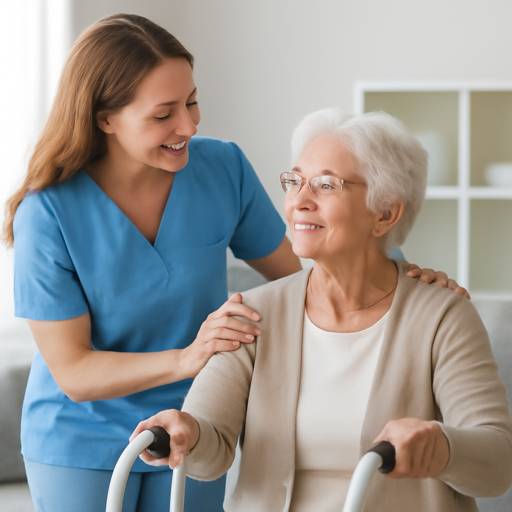
Caregiving also opens pathways to long-term professional growth. Many caregivers pursue an HHA or CNA credential, then advance to roles like care lead, scheduler, or care coordinator. With additional education, some transition into LPN or RN training and move into home health or hospice nursing. Others build a niche in memory care, post-surgical recovery, or Parkinson’s support, gaining referrals and steady, higher-paying cases. Consider two common journeys: Maria, a hospitality professional, pivots to home care, completes CNA training, and within a year secures consistent 12-hour shifts supporting clients with dementia; James, a nursing student, balances weekend overnight shifts with classes, gaining real-world experience that accelerates clinical skills. In both cases, targeted training and consistent performance drive higher earnings and greater control over schedules.
The key is to treat each assignment as a stepping stone—track tasks, identify areas for skill-building, and request feedback. As experience grows, so does the ability to select more complex cases, negotiate higher rates, and cultivate a reliable client network. A thoughtful, growth-minded approach turns an entry-level role into a resilient, rewarding career.
How to Land the Right Caregiver Job: Applications, Safety, and Local Search Tips
A strong application starts with a resume that highlights both practical experience and soft skills. Emphasize hands-on tasks—bathing, dressing, meal prep, safe transfers—and any special competencies, from Hoyer lift use to dementia redirection techniques. List certifications like CNA, HHA, CPR/First Aid, and note language abilities that can improve client communication. If new to the field, include family caregiving, volunteer work, or related service roles (hospitality, childcare, customer service) that demonstrate reliability and empathy. A concise cover note can share availability, preferred schedule, distance willing to travel, and comfort with pets, smoking households, or stair-only homes.
Preparation speeds hiring. Gather I-9 documents, certifications, TB test results if required, vaccination records, references, and a clean driving record if providing transportation. Expect background checks and be ready to discuss past cases or scenarios, including how you handled a fall risk, a medication reminder schedule, or meal planning for diabetes. In interviews, ask about the care plan, client preferences, mobility aids, home environment (stairs, bathroom setup, bed height), and available family or agency support. Clarify expectations around housekeeping, cooking, and companionship versus hands-on personal care to avoid scope creep.
Safety and diligence are essential. Job boards and marketplaces list roles posted by families or agencies, but they don’t typically employ caregivers or verify every detail in profiles and posts. Always vet opportunities: confirm the company or family identity, meet in a public place or on video first, and never pay to apply. Review written terms outlining pay rate, pay schedule, overtime, mileage, tax status, and coverage for incidents. Understand local labor rules, including rest breaks and overtime thresholds. When working with a private family, request a clear care plan and ensure payment methods are secure and documented. Trust instincts—if something feels off, step back and reassess.
Local search strategy increases the odds of finding a perfect-fit role. Filter by city or ZIP code to shorten commute times and reduce burnout. Consider traffic patterns, parking, public transit routes, and weather conditions during early mornings or late evenings. Target neighborhoods near schools or other regular destinations to consolidate trips. Expand reach by including adjacent towns for weekend or overnight availability, when many families urgently need coverage. Flexibility with start dates, willingness to cover occasional overnights, or comfort with memory care can make a candidate stand out. Communicate boundaries—maximum lift weight, preferred shift lengths, or pets you can and cannot work around—so each match is successful for both caregiver and client.
With a professional presentation, verified information, and a mindful approach to matching skills with needs, candidates can secure steady, meaningful caregiver jobs that fit their lives. The right role blends practical tasks with human connection, giving caregivers the chance to support independence while building a sustainable, respected career in a growing field.

Kuala Lumpur civil engineer residing in Reykjavik for geothermal start-ups. Noor explains glacier tunneling, Malaysian batik economics, and habit-stacking tactics. She designs snow-resistant hijab clips and ice-skates during brainstorming breaks.
Leave a Reply