Across the rain-soaked shores of the Pacific, artisans of the Northwest Coast carry forward a visual language that has spoken for generations. When you hold a cuff, pendant, or carved earring from this region, you’re not just admiring metalwork—you’re encountering a refined system of design, identity, and place. That’s the enduring appeal of northwest Native American jewelry: it balances beauty with meaning, modern craftsmanship with ancestral knowledge. Whether you’re dressing for an evening in Vancouver, visiting galleries in Seattle, or searching online for a piece that resonates, understanding the origins, techniques, and protocols behind this art will help you choose jewelry that’s as respectful as it is remarkable.
The Design Language, Nations, and Materials Behind Northwest Jewelry
From Haida Gwaii through Coast Salish territories, and up through Tlingit and Tsimshian homelands, artists work within—and play with—a distinctive design system often called “formline.” In practice, that means flowing lines and characteristic shapes such as ovoids, U-forms, and S-forms compose figures like Raven, Eagle, Bear, Killer Whale, Wolf, Thunderbird, and Salmon. These aren’t simply decorative “logos.” They’re rich with narratives and teachings that may vary by family, clan, or community. A carved Eagle bracelet might evoke love and leadership; a Raven pendant can suggest curiosity and creation; Killer Whale frequently signifies family and long journeys. The same motif can carry multiple layers of meaning depending on the artist and their tradition, which is one reason collectors value detailed provenance and artist attribution.
Materials tell their own story. Historically, copper was both a material and a measure of wealth along the Northwest Coast; you’ll still see copper cuffs and pendants today, prized for their warmth and patina. Sterling silver and gold are now common canvases for fine engraving, repoussé, and chasing. Some artists incorporate abalone or mother-of-pearl inlays to highlight eyes or fins; others bring cedar, yew, or alder into lightweight earrings and pendants to honor the forest. Haida artists continue to carve argillite into wearable forms, while glass and trade-bead work reflects both innovation and centuries of cultural exchange. The marriage of time-honored methods with contemporary tools—such as precision hand engraving alongside cuttlefish casting or lost-wax techniques—means that today’s pieces can feel classic or boldly modern, and often, both at once.
Because design systems are rooted in place, the best jewelry retains a sense of geography. You might notice stylistic cues: the bold, high-contrast engravings often associated with Haida work; the flowing, symmetrical compositions of Tlingit master engravers; or the distinct visual rhythms of Coast Salish artists, who frequently connect design to landforms, animals, and weaving patterns. This diversity under a shared coastal umbrella is a hallmark of authentic Northwest Coast jewelry, where innovation flourishes within respected lineages and teachings.
How to Recognize and Buy Authentic Pieces—Online and in the Pacific Northwest
Selecting authentic northwest Native American jewelry begins with the artist. Look for the name, tribal affiliation, and, when applicable, the hallmark or signature. Reputable galleries and online shops provide detailed biographies and provenance, helping you understand where the piece was made and by whom. Transparency around materials is key: sterling silver, gold karats, copper purity, and inlay specifics should be disclosed. Many artists and sellers complement this information with care instructions and a certificate of authenticity.
Ask how the artwork was obtained. Ethical purchasing ensures artists and communities are fairly compensated and that cultural protocols are respected. This is especially important in regions such as coastal British Columbia and Washington State, where a vibrant network of carvers, engravers, and beaders participate in exhibitions, cultural events, and curated sales. In and around White Rock, Vancouver, and Seattle, seasonal markets, museum shops, and Indigenous-run pop-ups are excellent places to meet artists in person. For online shoppers, look for Native-owned businesses or galleries with long-standing relationships in Northwest Coast communities and a track record of supporting cultural integrity.
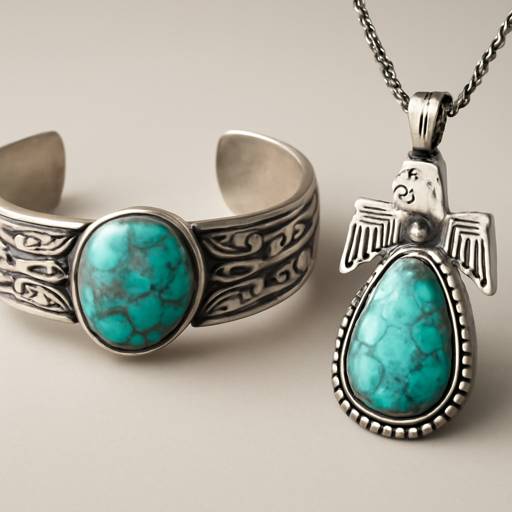
Be cautious with mass-produced imports that mimic motifs without supporting artists or honoring protocols. If a price seems too good to be true for detailed hand engraving, it probably is. Authentic bracelets and pendants carry the time investment of the artist’s training, the cost of precious materials, and the value of design rooted in community. When in doubt, ask questions: How was the piece made? What is the artist’s background? What does the motif represent? Honest answers not only ensure a good purchase, they deepen the connection between wearer and artwork.
For those building a collection, keep a record of each acquisition—artist, nation, date, and motif—so your pieces carry their stories wherever they travel. That practice also supports future appraisals, donations, or legacy gifting. To begin exploring a curated selection with clear artist attributions, visit northwest Native American jewelry, where authenticity, quality, and cultural respect guide each offering.
Wearing, Caring For, and Gifting With Meaning
One reason this jewelry resonates far beyond the coast is its versatility. A hand-engraved silver cuff pairs effortlessly with denim and boots in the morning, then anchors a black dress or blazer at night. Pendants sit close to the heart, literal touchstones you can reach for throughout the day. Earrings bring movement—carved wood or shell can be featherlight, while silver lends a reflective gleam. When layered thoughtfully, multiple pieces can create a visual dialogue—Eagle and Raven as complementary energies, or Salmon and Bear as a nod to sustenance and protection. Let the motifs guide your styling. If the design is intricate and high-contrast, keep other accessories minimal; if it’s a slim copper bangle, stack it with a few slender bracelets for rhythm without overpowering the engravings.
Care safeguards both beauty and value. For sterling silver, a soft polishing cloth removes light tarnish without erasing intentional oxidization that creates depth in engraved lines. Avoid harsh dips or ultrasonic cleaners that may dull finishes or loosen inlays. Copper naturally patinates; you can embrace the evolving color or gently brighten it with a jeweler-approved cloth, taking care around any oxidized details. Gold requires the least maintenance, but still benefits from gentle cleaning and safe storage. For shell, argillite, or wood elements, keep away from prolonged moisture, oils, and extreme temperatures; store pieces separately in soft pouches to prevent scratches. Regular, light care extends the life of your jewelry without stripping away the character that comes from being worn.
Gifting carries special significance. Choosing a motif aligned with the recipient’s path—Raven for creativity, Eagle for love and vision, Killer Whale for family loyalty, Wolf for guardianship—turns a beautiful present into a meaningful heirloom. Marking milestones such as graduations, marriages, or new ventures with a bracelet or pendant adds narrative weight to the occasion. When gifting across cultures, include the artist’s name, nation, and a brief note about the motif’s general meaning to foster understanding and respect. Keep in mind that certain designs and regalia are connected to specific rights and responsibilities; reputable sellers can guide you toward works appropriate for public wear and celebration. For organizations seeking culturally respectful gifts or wholesale selections, collaborating with Indigenous-run galleries helps ensure both quality and integrity.
Above all, wear your pieces with the same intention with which they were made. The best northwest Native American jewelry doesn’t just match an outfit; it connects places and people, honors the hands that shaped it, and invites conversation. Over time, a bracelet’s edge softens to your wrist; a pendant warms to your skin. The story continues each time you put it on—an everyday ceremony, quietly reaffirming culture, artistry, and belonging.

Kuala Lumpur civil engineer residing in Reykjavik for geothermal start-ups. Noor explains glacier tunneling, Malaysian batik economics, and habit-stacking tactics. She designs snow-resistant hijab clips and ice-skates during brainstorming breaks.
Leave a Reply