From cosy flats in London to family homes across the country, UK aquarists are rediscovering the joy of keeping tropical fish thanks to reliable nationwide delivery and expert guidance available online. Today’s hobby is about more than bright colours; it’s about selecting species that match your water, mastering simple care routines, and choosing a trusted seller that ships safely to your doorstep. Whether you’re planning a tranquil community tank of tetras and corydoras, a showpiece aquascape, or a lively group of livebearers, understanding the UK-specific nuances—like regional water chemistry and seasonal shipping—will set you up for success. Below is a practical guide to help you find healthy live aquarium fish, build a balanced stocking plan, and enjoy a smooth, stress-free delivery and acclimation process.
How to Choose Tropical Fish That Thrive in UK Homes
Start with the aquarium you have (or plan to set up) and match species to its size, filtration, and water parameters. In many UK regions—particularly the South East and parts of London—tap water tends to be harder and more alkaline. Elsewhere, such as parts of the North West and Scotland, water can be softer. This matters because fish like guppies, platies, and mollies often thrive in harder water, while tetras, rasboras, and many dwarf cichlids prefer softer conditions. If your dream fish don’t match your tap water, consider using remineralised RO water or blending RO with tap to hit ideal parameters. The key to long-term success is alignment between species needs and the water you’ll maintain consistently.
For beginners, focus on peaceful, hardy species that tolerate a range of conditions. Think along the lines of neon or cardinal tetras, harlequin rasboras, corydoras catfish, bristlenose plecos, and honey gouramis. These fish coexist well in community tanks, show beautiful schooling behaviour, and generally accept high-quality flakes, micro-pellets, frozen foods, and occasional live treats. If you’re drawn to a single centrepiece, a betta in a dedicated, well-filtered tank of at least 40–50 litres can be an elegant choice; just research compatible tank mates carefully and avoid fin-nipping species.
Consider activity levels and adult size to avoid overcrowding. A 60–70 litre tank is well-suited to a small community of schooling fish plus a cleanup crew of snails or shrimp (if compatible), while 100–125 litres opens the door to larger shoals and more diverse bottom-dwellers. Always stock gradually to allow your biological filter to adjust. Test for ammonia, nitrite, and nitrate weekly at first; stability is more important than chasing “perfect” numbers. Balanced feeding—small portions you can finish in under two minutes—and regular 25–40% water changes will keep water quality strong and fish vibrant.
Last, think about aquascape and behaviour. Tall plants and roots offer security for shy tetras and dwarf cichlids. Open foregrounds help corydoras forage naturally. Floating plants can reduce light intensity and calm surface-grazing species. A thoughtfully designed layout reduces stress, encourages natural displays, and lets your tropical fish show their best colours—no special effects required.
Ordering Live Tropical Fish Online Across the UK: What to Expect
Buying online makes it easy to explore a curated range of species, sizes, and care levels—all delivered nationwide from specialist hubs in London and beyond. Reputable UK retailers photograph current stock, quarantine arrivals, and schedule dispatch to minimise transit time. When you’re ready to browse, you can find carefully sourced selections by visiting tropical fish for sale UK, then plan your delivery date to ensure you’re home to receive and acclimate your new arrivals.
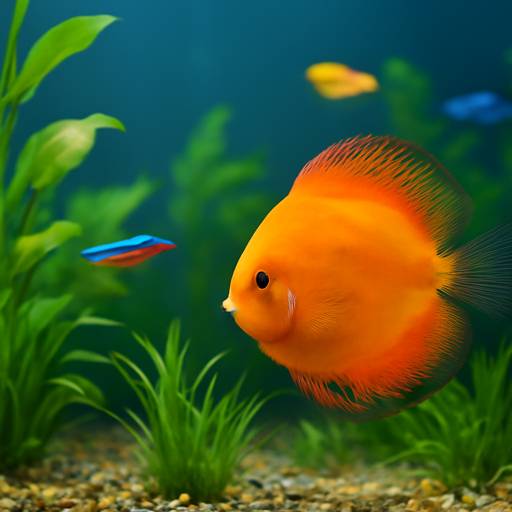
Safe shipping depends on robust packaging. Expect fish to travel in purpose-made, oxygenated bags inside insulated boxes. During colder months, heat packs are added; in summer, cooling materials may be used. The goal is to keep temperature steady and stress low. Responsible sellers ship early in the week so parcels don’t sit in depots over the weekend. When your box arrives, bring it indoors promptly, dim the room lights, and move straight to acclimation rather than opening bags for a long look—curiosity can wait until the fish are safely in their new home.
Acclimate patiently. Float the sealed bags in your tank for 15–20 minutes to equalise temperature. Then open the bag and gradually mix small amounts of tank water into it over another 20–30 minutes. If your tap water chemistry differs significantly (for example, softer tank water blended from RO), extend this process or use a drip line for precise control. Never pour bag water into your aquarium; net the fish gently and discard the shipping water. Keep the tank lights off for a few hours to help them settle, and avoid feeding for the first 12–24 hours while they recover from transit.
Quarantine is an extra layer of protection worth considering, especially for established tanks with prized stock. A simple, heated 30–60 litre quarantine setup with a sponge filter allows you to observe newcomers for a couple of weeks, ensure they’re eating, and watch for any signs of stress before moving them into the main display. This biosecurity step, along with sourcing from a trusted, family-run UK specialist, can make all the difference between a smooth start and a preventable setback.
Real-World Stocking Ideas and UK Case Examples
In London and much of the South East, many aquarists report moderately hard to hard water. Lean into that advantage with a vibrant livebearer community. In a 100–125 litre tank, a group of male platies or Endler’s livebearers provides constant motion and colour without the breeding dynamics of mixed sexes. Add a school of zebra danios for lively surface activity and a bristlenose pleco for algae control. Plant the tank with hardy species like Java fern, Anubias, and Vallisneria, and maintain a moderate current. With regular 30% water changes and stable temperatures around 23–24°C, this setup is forgiving, engaging, and family-friendly. The fish’s natural hard-water tolerance keeps maintenance straightforward for busy urban schedules.
Head north to Manchester and surrounding areas and you’ll often find softer water, perfect for classic community favourites. A 90–110 litre aquascape with driftwood, leaf litter, and soft, slightly acidic water showcases schooling species beautifully. Try a shoal of cardinal or rummy-nose tetras, a group of panda corydoras sifting the sand, and a centrepiece pair of peaceful dwarf cichlids such as Apistogramma cacatuoides. Dense planting with stems and floating cover enhances security and boosts colour. Aim for 25–50% weekly water changes and gentle filtration that preserves microfauna. This environment encourages natural behaviour—tight schooling, sand-sifting, and courtship displays—while remaining accessible to intermediate keepers who enjoy observing subtle interactions.
For those with space for a statement piece—say, a 180–240 litre living-room display—consider a calm, graceful community anchored by a group of angelfish. Because angels prefer softer, warmer water, many UK hobbyists blend RO water with tap to reach a gentle 6.5–7.0 pH and moderate hardness. Surround them with compatible midwater schools like lemon or black neon tetras (avoid tiny nano species that might be viewed as snacks), a troupe of corydoras, and a single bristlenose pleco. Tall Amazon swords, Cryptocoryne stands, and a tangle of roots complete the look. Feed a varied diet including quality pellets, frozen bloodworms, and vitamin-rich flakes. With thoughtful stocking and stable parameters, this tank becomes a serene focal point that rewards daily viewing.
No matter your postcode, a few universal practices keep UK tanks thriving. Match species to your local water or adjust with RO as needed. Introduce fish slowly to protect your filter. Keep a reliable heater, test kit, and dechlorinator on hand. Feed sparingly, vary the diet, and schedule routine maintenance so small tasks stay small. And above all, source from experienced, customer-focused UK specialists—often family-run and based in London—who prioritise fish health, careful packing, and clear communication. With those foundations, your search for tropical fish becomes a confident, enjoyable journey, and your aquarium can flourish for years.

Kuala Lumpur civil engineer residing in Reykjavik for geothermal start-ups. Noor explains glacier tunneling, Malaysian batik economics, and habit-stacking tactics. She designs snow-resistant hijab clips and ice-skates during brainstorming breaks.
Leave a Reply